
INQUIRY

You are here :

☰ALL CATEGORIES

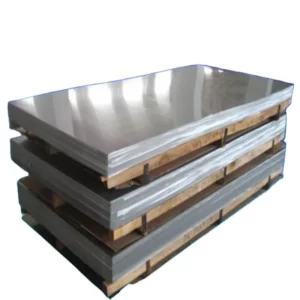
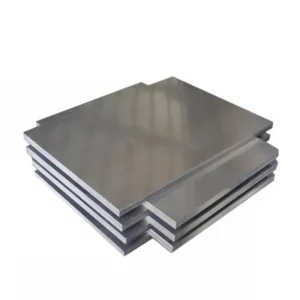
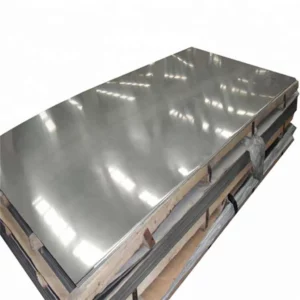
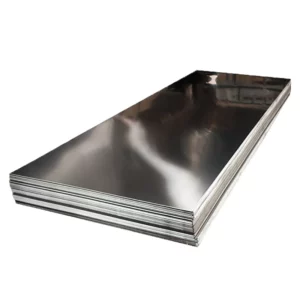
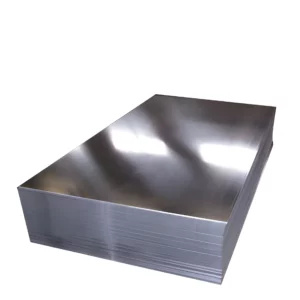
Stainless Steel Sheet Plate

Stainless steel material is a kind of material, with close to mirror brightness, hard and cold touch, belongs to the more avant-garde decorative materials, with excellent corrosion resistance, formability, compatibility and toughness and other series characteristics, used in heavy industry, light industry, daily goods industry and building decoration industry.
304L stainless steel is remarkably similar to 304 stainless steel in their chemical composition. but there is one key difference. In grade 304 stainless steel, the maximum carbon content is set at 0.08%, whereas grade 304L stainless steel has a maximum carbon content of 0.03%. This is why the “L” in 304L can be interpreted as extra-low carbon. It is widely used in the production of equipment and parts that require.
310S stainless steel is austenitic chromium-nickel stainless steel, with good oxidation resistance, corrosion resistance, because of a higher percentage of chromium and nickel, so that it has much better creep strength, can continue to work at high temperatures, with good high temperature resistance.
321 stainless steel is an austenitic stainless steel that has excellent corrosion resistance at room temperature, as well as good high-temperature strength and creep resistance.
316L stainless steel has a lower proportion of carbon in its composition. To qualify as 316L stainless steel, the amount of carbon cannot exceed 0.03%. This decreases the risk of carbon precipitation, making it a better option for welding to ensure maximum corrosion resistance.
430 stainless steel is a popular material for a variety of applications due to its durability and corrosion resistance. However, welding 430 stainless steel can be challenging due to its high chromium content.
201 stainless steel generally refers to 201 stainless steel and acid resistant steel. 201 stainless steel refers to the steel that is resistant to the corrosion of weak media such as atmosphere, steam and water, while acid resistant steel refers to the steel that is resistant to the corrosion of chemical corrosive media such as acid, alkali and salt.
304 stainless steel highly stands out in terms of corrosion resistance, heat resistance, low temperature strength and mechanical properties, being one of the most widely used types of stainless steel. In addition, it has exceptional hot-workability such as stamping and bending, without leaving heat treatment hardening phenomenon.
316 stainless steel also contains 2-3% molybdenum, in addition to iron, chromium and nickel. The addition of molybdenum significantly improves the performance of 316 stainless steel in certain corrosive environments, especially those containing chlorides. 316 stainless steel is more commonly used in situations requiring higher corrosion resistance.